In June 2026, a significant update to the housing hazard framework has been introduced, emphasizing the importance of safety in residential properties. This new framework outlines 21 categories of hazards that inspectors and property managers must assess, providing a comprehensive checklist that aims to enhance safety standards in homes across Northville and beyond.
The hazards identified in the framework cover a range of issues that can directly impact the safety and well-being of residents. These include dampness, excessive cold or heat, risks of falls, electrical hazards, fire risks, and sanitation concerns. By addressing these potential dangers, the framework seeks to ensure that both landlords and tenants are aware of the conditions that could affect everyday home safety.
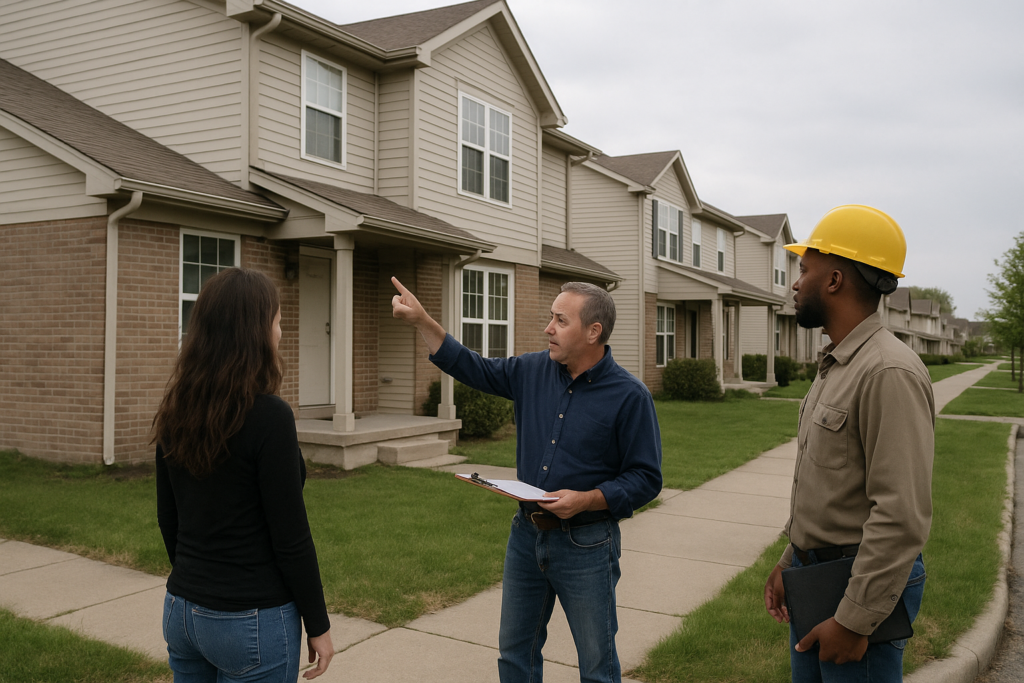
For landlords, the introduction of this checklist serves as a practical guide for maintaining their properties. It highlights the importance of regular inspections and the need for documentation to ensure compliance with safety standards. Property managers are encouraged to prioritize repairs based on the risks identified in the checklist, which can ultimately lead to safer living environments for tenants.
The framework also emphasizes the role of tenants in maintaining safety within their homes. By being aware of the potential hazards outlined in the checklist, tenants can take proactive steps to report issues to their landlords, fostering a collaborative approach to home safety.
While the framework is primarily focused on the UK, its principles can be adapted to various local contexts, including Northville. Landlords and property managers in the area are encouraged to consider how these guidelines can be integrated into their existing practices, ensuring that they meet local code requirements and provide safe living conditions for their tenants.
As Northville continues to grow, the need for safe and well-maintained housing becomes increasingly important. This new framework not only provides a roadmap for landlords and property managers but also empowers tenants to advocate for their safety and well-being. By implementing these guidelines, Northville can set a precedent for housing safety that prioritizes the health and comfort of its residents.
The 21-risk safety checklist is a valuable resource that can help streamline the inspection process and ensure that all potential hazards are addressed effectively. As landlords and property managers in Northville begin to familiarize themselves with this framework, the community can expect to see improvements in housing conditions that reflect a commitment to safety and quality.
In conclusion, the 2026 housing hazard framework represents a significant step forward in promoting safety standards in residential properties. By providing a clear checklist of hazards, it equips landlords and tenants in Northville with the tools they need to create safer living environments. As the community embraces these changes, the emphasis on safety will undoubtedly contribute to a higher quality of life for all residents.