As Northville residents tend to their gardens during the height of summer, expert advice is available to address common concerns about watering plants during hot weather and minimizing heat-induced stress. The current gardening guidance emphasizes strategic watering to ensure plant health and vitality under challenging summer conditions.
One key area of focus is the timing of watering. While it may seem intuitive to water plants during the hottest part of the day, this can sometimes be counterproductive. Water droplets on leaves can act like tiny magnifying glasses, potentially scorching the foliage when exposed to intense sunlight. Furthermore, much of the water applied during peak heat can evaporate before it reaches the plant’s root system, leading to wasted resources and less effective hydration.
Instead, gardening experts recommend watering early in the morning, ideally before the sun becomes intense. This allows plants to absorb moisture thoroughly before the heat of the day sets in, and it minimizes water loss through evaporation. Watering in the early morning also helps to prevent fungal diseases that can thrive in damp conditions when foliage remains wet overnight.
Another critical aspect of summer gardening involves understanding and reducing plant stress. Plants, like all living organisms, can suffer from excessive heat. Signs of heat stress can include wilting, yellowing leaves, and reduced flowering or fruiting. Several strategies can help mitigate these effects.
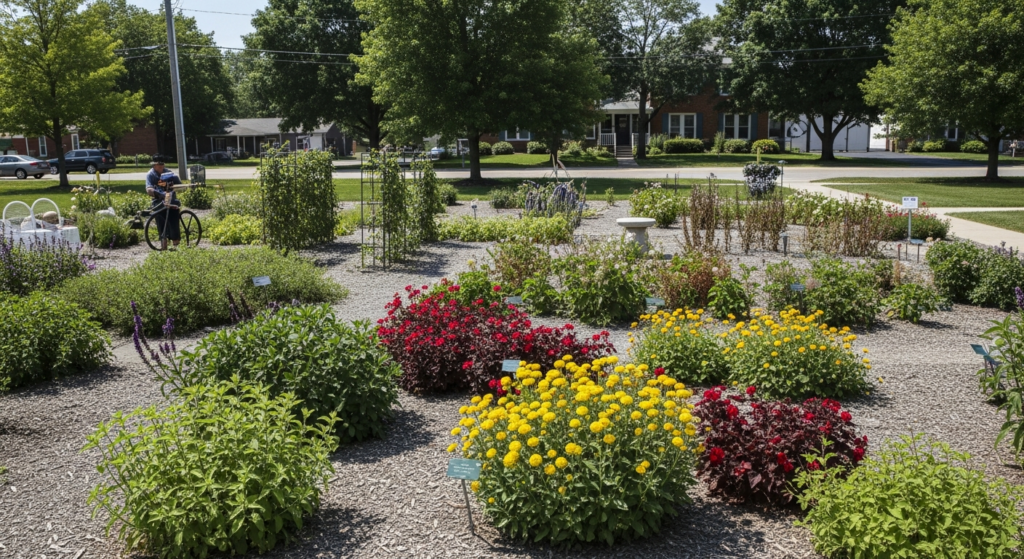
Mulching is a highly effective method for conserving soil moisture and keeping plant roots cooler. A layer of organic mulch, such as wood chips, straw, or compost, applied around the base of plants can significantly reduce evaporation from the soil surface. It also helps suppress weeds, which compete with garden plants for water and nutrients.
Choosing the right plants for the local climate is also crucial. Selecting drought-tolerant varieties and native species that are well-adapted to the region’s summer conditions can reduce the need for intensive watering and care. These plants are naturally more resilient to heat and require less supplemental water once established.
For gardeners seeking more specific advice tailored to the Northville area, resources such as the Michigan State University Extension office can provide localized recommendations. These offices often offer information specific to regional growing zones, soil types, and common pests or diseases that affect local gardens. Information on local nurseries and their current stock of heat-resistant plants can also be beneficial.
Seasonal tasks during this period include regular deadheading of flowers to encourage further blooming, monitoring for pests and diseases that can be exacerbated by heat and humidity, and providing support for plants that may become top-heavy with fruit or flowers.
By implementing these watering and plant care strategies, Northville gardeners can help their plants not only survive but thrive through the summer months, ensuring a vibrant and productive garden season.