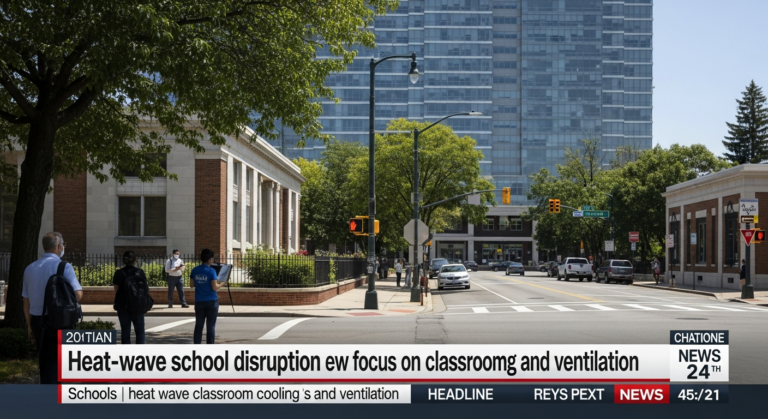
Recent heat waves have disrupted educational schedules and brought renewed attention to the adequacy of classroom cooling and ventilation systems in schools across the nation. This issue has prompted discussions about building readiness for extreme weather events, a concern that resonates with school districts like Northville Public Schools.
As temperatures climbed earlier this summer, several school districts reported instances of classes being canceled, modified, or relocated due to unmanageable heat within classrooms. These disruptions highlight a growing challenge for educational institutions tasked with providing a consistent and safe learning environment, regardless of external weather conditions. The focus has shifted from simply enduring hot weather to proactively addressing the infrastructure needed to maintain optimal learning temperatures.
National education reporting has documented how prolonged periods of high temperatures can impact student concentration, teacher effectiveness, and overall school operations. In some cases, schools have had to resort to early dismissals or cancel after-school activities, including athletic practices, to ensure the well-being of students and staff. This has led to a broader conversation about the long-term implications of climate change on school facilities and the need for updated building codes and retrofitting.
Ventilation systems, in particular, have come under scrutiny. Beyond simply cooling the air, effective ventilation is crucial for maintaining air quality, which can be further compromised during heat waves. Inadequate airflow can lead to stagnant air, increased humidity, and a potential buildup of airborne contaminants, all of which can negatively affect the health and learning capacity of students. Reports indicate that many older school buildings were not designed with the robust cooling and ventilation requirements necessary to combat modern heat extremes.
This situation prompts a closer examination of building readiness within districts such as Northville Public Schools. While specific schedules, building projects, or bus changes related to recent heat events in Northville were not detailed in the provided information, the broader national trend suggests a need for districts to assess their current infrastructure. This includes evaluating the efficiency of existing HVAC systems, the potential for upgrades, and the implementation of strategies to mitigate the effects of extreme heat.
The conversation extends to the operational aspects of school districts. Decisions about athletic practices, the use of school facilities for community events, and even the scheduling of essential maintenance can be influenced by prevailing weather conditions. Ensuring that schools are equipped to handle both extreme heat and potential cooling center needs for students and staff becomes a critical component of district planning.
The recurring nature of these heat-related disruptions underscores the urgency for educational leaders to prioritize investments in facility upgrades. This may involve exploring options such as installing more efficient air conditioning units, improving insulation, enhancing ventilation systems, or even considering more significant renovations to ensure that classrooms remain conducive to learning throughout the year, irrespective of external temperature fluctuations. The goal is to create resilient learning environments that can withstand the challenges posed by a changing climate.