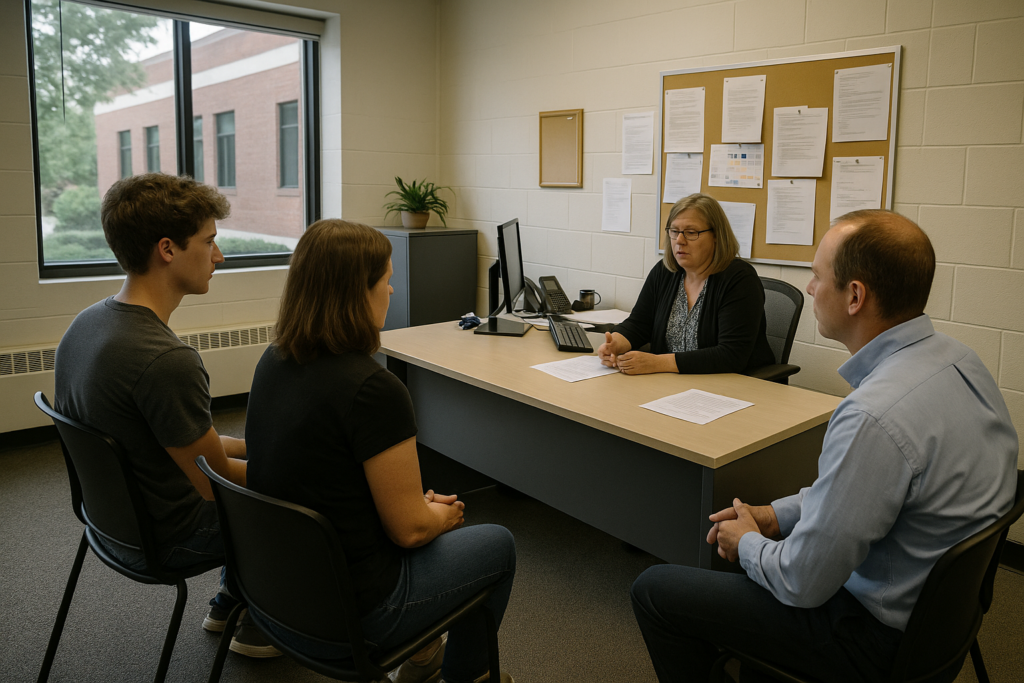
As families in Northville consider college options, the focus often lies heavily on acceptance letters and program offerings. However, experts emphasize the importance of digging deeper into the stability of these institutions before making a commitment. Factors such as accreditation, teach-out plans, merger risks, and program continuity can significantly influence a student’s educational journey.
Recent trends in higher education have shown that financial pressures can lead to unexpected closures or mergers of colleges, affecting students even after they have enrolled. This reality underscores the need for families to ask the right questions during the college selection process.
Accreditation is a critical aspect that families should investigate. An accredited institution meets specific standards of quality and is recognized by the U.S. Department of Education. Without proper accreditation, degrees may not be recognized by employers or other educational institutions, which can hinder a graduate’s career prospects.
Additionally, families should inquire about teach-out plans. These plans outline how an institution will support students if it closes or merges with another college. Understanding these provisions can provide peace of mind and clarity on how a student’s education will continue uninterrupted.
Another important consideration is the risk of mergers. With the financial landscape of higher education continually shifting, institutions may seek to merge to stay viable. Families should ask colleges about their financial health and any potential merger risks that could impact their educational experience.
Moreover, questions regarding transfer credits, housing deposits, and the portability of financial aid can help families avoid unpleasant surprises. Ensuring that credits earned at one institution will transfer to another can save students time and money. Similarly, understanding the implications of housing deposits and financial aid can help families make informed decisions about their commitments.
In Northville, where educational institutions like Northville Public Schools play a significant role in the community, the implications of college stability extend beyond individual families. As students and parents navigate these complex decisions, the community’s investment in education remains paramount. Families must arm themselves with knowledge and ask the right questions to ensure a smooth transition into higher education.
Ultimately, the goal is to empower families to make informed choices that align with their educational and financial goals. As the landscape of higher education continues to evolve, staying informed about institutional stability will be essential for families in Northville and beyond.