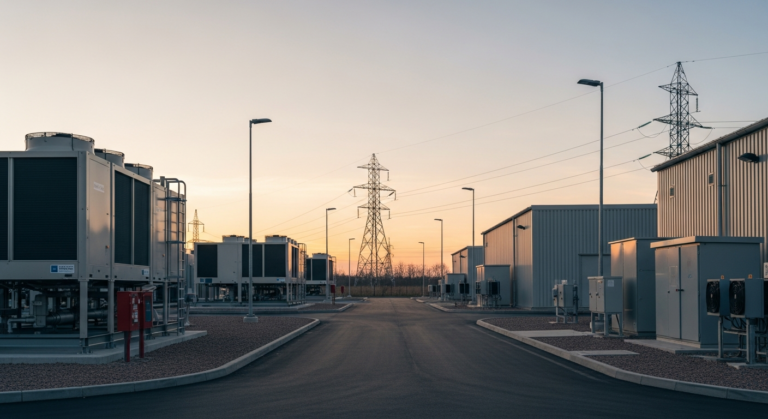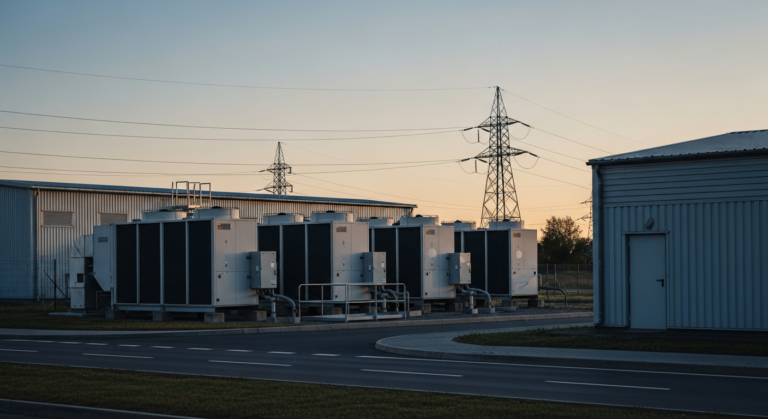
The insatiable appetite for artificial intelligence is placing unprecedented demands on electrical grids, forcing utilities and local governments to re-evaluate power infrastructure and long-term planning. This surge in demand, driven by the proliferation of AI data centers, is becoming a central theme in discussions around energy policy and economic development, with implications reaching down to communities such as Northville.
Data centers, the physical backbone of the digital world, require substantial and reliable electricity to power servers and cooling systems. As AI applications become more sophisticated and widespread, the scale of these facilities is growing, leading to a significant increase in their energy consumption. This trend is prompting a closer examination of existing grid capacity and the need for potential upgrades or new infrastructure to meet future needs.
Utility companies are at the forefront of this challenge, tasked with ensuring that the power grid can not only handle the current demand but also accommodate the projected growth. This involves complex forecasting, investment in new generation and transmission capabilities, and strategic planning to avoid service disruptions. The siting of new data centers is increasingly becoming a factor in these decisions, as proximity to robust power sources can significantly influence project feasibility and cost.
Beyond the technical aspects of grid management, the expansion of data centers is also shaping local economic development debates. Communities are weighing the potential benefits of job creation and tax revenue against the strain on local resources, including power supply, water, and land use. Site selection for these facilities is often influenced by the availability of sufficient electricity, leading to competition among regions to attract these energy-intensive operations.
Local zoning boards and planning commissions are finding themselves increasingly involved in discussions surrounding data center development. Decisions about where these facilities can be located, their environmental impact, and their integration into the existing community fabric require careful consideration. The energy demands of AI data centers add another layer of complexity to these deliberations, as officials must balance economic opportunities with the need for sustainable and reliable energy for all residents and businesses.
The interplay between technological advancement, energy infrastructure, and local planning is becoming a critical nexus. As AI continues its rapid evolution, the demand for its underlying infrastructure will only intensify, making the management of power resources and the strategic development of communities essential for future growth and stability. Northville, like many other municipalities, will need to navigate these evolving energy landscapes to ensure its continued development and the well-being of its residents.