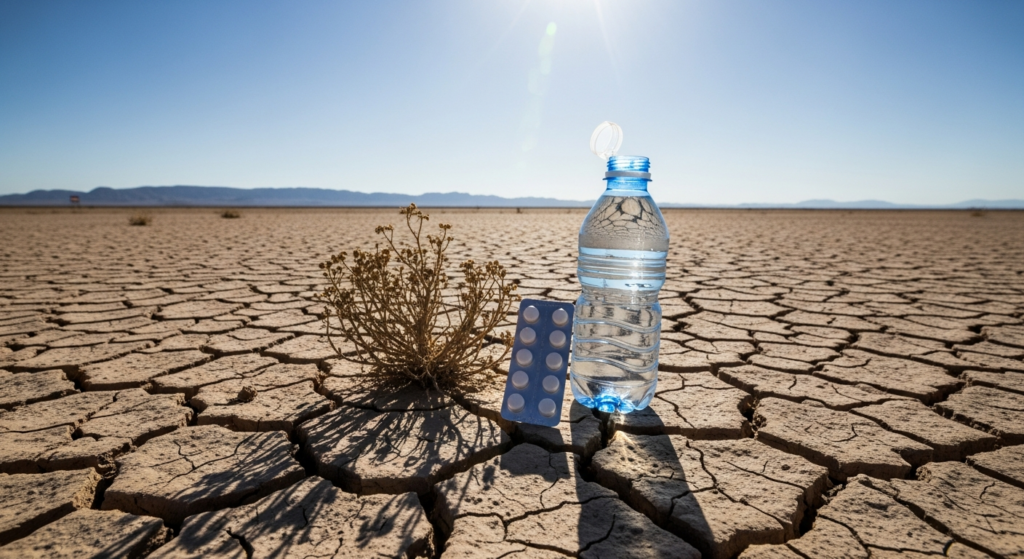
Physicians are advising patients utilizing GLP-1 medications to remain vigilant about hydration and potential heat-related illnesses during the current summer season. The medications, commonly prescribed for type 2 diabetes and weight management, can affect appetite and fluid intake, factors that become critical when exposed to elevated temperatures.
Reports from health coverage outlets have highlighted this growing concern, noting that the physiological effects of GLP-1 agonists may exacerbate the risks associated with dehydration in hot weather. These drugs can lead to a reduced sensation of thirst and a decreased desire to consume fluids, a combination that can be particularly dangerous during periods of high heat. Medical professionals are emphasizing the importance of proactive measures to ensure adequate fluid intake and to recognize early signs of heat-related distress.
Separate medical and local broadcast coverage has echoed these warnings, underscoring the intersection of medication side effects and environmental conditions. The summer months, characterized by higher average temperatures, present a heightened risk for individuals on these medications. The reduced appetite that GLP-1 drugs can induce may also lead to insufficient electrolyte and fluid replenishment, further increasing vulnerability.
While the specific prevalence of GLP-1 users experiencing dehydration in Northville is not detailed in current reports, the general medical consensus points to a need for increased awareness across all communities. Local healthcare providers are likely to be addressing these concerns with their patient populations as the summer progresses. The advice typically includes consuming water and other non-caffeinated, non-alcoholic beverages consistently throughout the day, even in the absence of thirst. Monitoring urine color, with pale yellow indicating good hydration, is another common recommendation.
Patients are also being encouraged to be aware of symptoms such as dizziness, fatigue, headache, and decreased urination, which can signal dehydration. In cases of extreme heat, limiting outdoor activities during peak sun hours and seeking cool environments are advised. For individuals managing chronic conditions like diabetes, maintaining proper hydration is a cornerstone of overall health, and this becomes even more crucial when using medications that can influence fluid balance.
This information is intended for general awareness. Individuals with specific medical questions or concerns regarding GLP-1 medications and heat safety should consult with their qualified healthcare providers. Personal medical advice should always be sought from a physician or other appropriate health professional who is familiar with an individual’s health history and current treatment plan.
Why it matters in Northville:
As Northville experiences its summer weather, residents utilizing GLP-1 medications are being advised by medical professionals to be particularly mindful of hydration. The potential for these drugs to reduce appetite and thirst, combined with the elevated temperatures common in July and August, can increase the risk of dehydration and heat-related symptoms. This medical guidance, disseminated through health coverage and broadcast media, suggests that local healthcare providers, including those at Trinity Health — Northville Health Center, may be seeing an increase in related patient concerns. It underscores the importance for individuals on these medications to proactively manage their fluid intake and recognize signs of heat distress, especially during outdoor activities or periods of high ambient temperature in areas like Northville Township Civic Park or along the Middle Rouge River.