The rapid expansion of artificial intelligence capabilities is increasingly defined by its substantial infrastructure requirements, with a significant shift in focus toward the availability of power and hardware capacity. While the production of advanced microchips initially dominated discussions surrounding AI’s growth, current industry analyses indicate that the primary constraint has evolved. The immense energy demands of AI data centers and the physical hardware needed to support them are now at the forefront of business and technology planning.
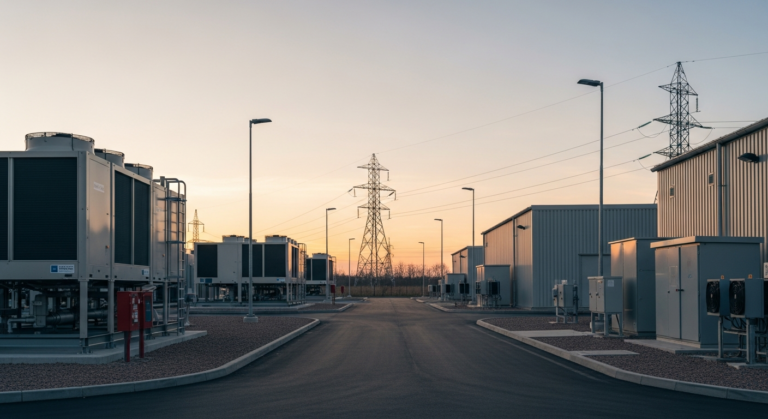
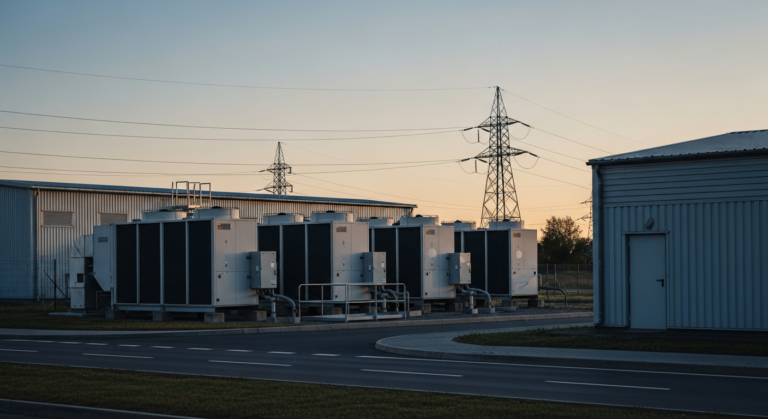
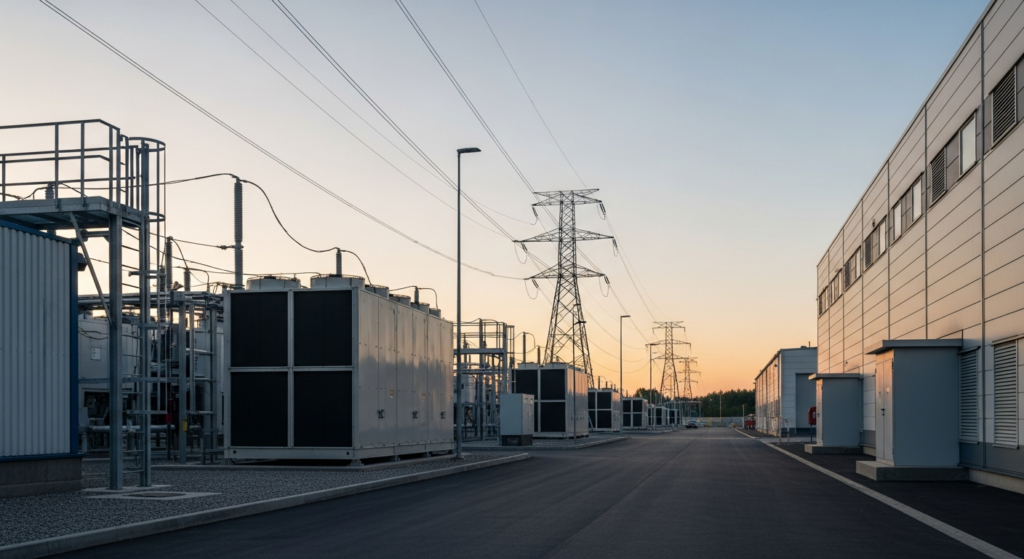
This evolving landscape presents complex challenges for utility companies and hardware manufacturers alike. The sheer volume of electricity required to power the sophisticated computing clusters necessary for training and deploying AI models is placing unprecedented strain on existing power grids. This necessitates significant investment in grid modernization, the development of new energy sources, and robust planning to ensure reliable power delivery without compromising stability.
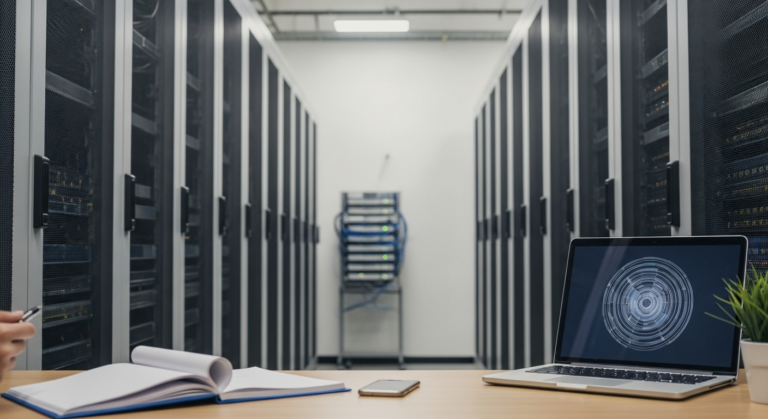
Data centers, the physical hubs of AI computation, are at the nexus of these infrastructure concerns. Their construction and operation require not only vast amounts of energy but also substantial quantities of specialized hardware, including servers, storage systems, and networking equipment. The demand for these components is escalating, prompting a closer examination of supply chain resilience and manufacturing capacity.
Industry observers note that the bottleneck is no longer solely about the availability of cutting-edge processors. Instead, the challenge lies in the integrated system: the power to run the machines and the physical infrastructure to house and connect them. This broader perspective is influencing capital allocation decisions and strategic planning within the technology sector.
Companies involved in AI development are increasingly scrutinizing their energy procurement strategies and hardware acquisition plans. This includes exploring options for on-site power generation, negotiating long-term power purchase agreements, and collaborating with hardware vendors to secure necessary components. The interplay between AI development, energy infrastructure, and hardware supply chains is becoming a critical determinant of future technological advancement.
The implications extend beyond the technology sector, touching upon urban planning, environmental sustainability, and economic development. The siting of new data centers, for instance, requires careful consideration of local power availability, grid capacity, and zoning regulations. Furthermore, the energy consumption associated with these facilities raises questions about carbon footprints and the transition to renewable energy sources.
As the AI revolution continues to accelerate, the focus on the foundational elements of power and hardware infrastructure is expected to intensify. Businesses, policymakers, and utility providers are tasked with navigating these complex interdependencies to ensure that the growth of AI is sustainable and reliable.