International and business reporting on July 15 indicated a significant escalation in U.S.-Iran tensions, with renewed hostilities reported around Iranian ports and the Strait of Hormuz. This development has triggered immediate concerns regarding global shipping routes and the stability of energy markets.
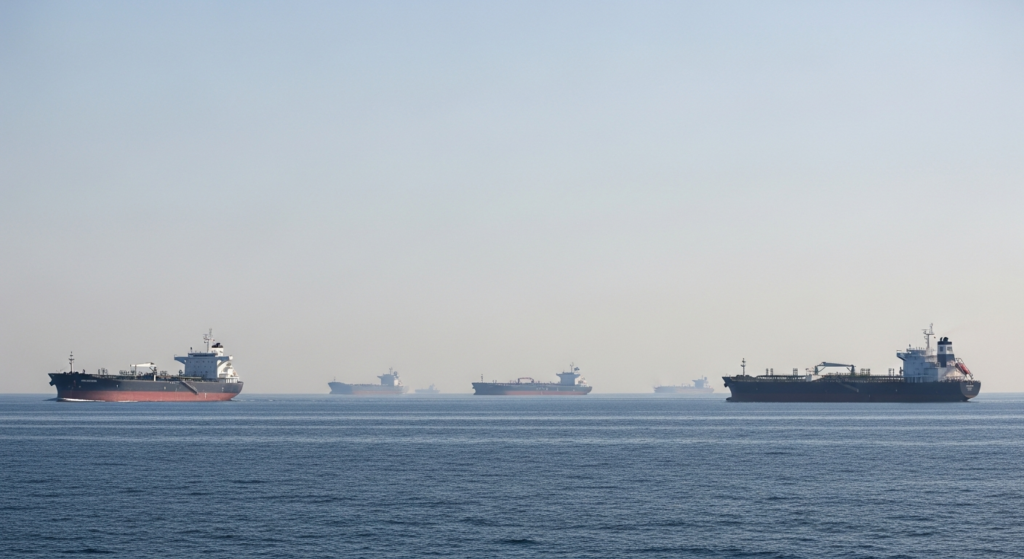
The U.S. has reimposed a blockade on Iran, a move directly linked to recent attacks in the Strait of Hormuz. This action reintroduces a layer of uncertainty for maritime traffic in one of the world’s most vital waterways for crude oil transportation. The Strait of Hormuz is a critical chokepoint, through which a substantial portion of the world’s oil supply passes daily. Any disruption or perceived threat to this flow has a direct and often immediate impact on global energy prices.
In response to the heightened conflict and the reimposition of the blockade, oil prices have seen a notable increase, reaching a one-month high. Analysts are closely monitoring the situation, as sustained hostilities in the region could lead to further price volatility and renewed concerns about the security of energy supplies. The packet of information focuses on the confirmed conflict, shipping, and energy-risk context, avoiding unverified casualty or tactical claims.
The implications of this escalation extend beyond immediate market fluctuations. A prolonged period of heightened tension in the Strait of Hormuz could disrupt supply chains, increase insurance costs for vessels transiting the area, and potentially lead to broader geopolitical instability. The U.S. military presence and its actions in the region are central to these developments, aimed at securing maritime passage and deterring further aggression.
This situation underscores the delicate balance of international relations and its tangible effects on the global economy. The Strait of Hormuz, a narrow waterway between the Persian Gulf and the Gulf of Oman, is a critical artery for international trade, particularly for oil-producing nations in the Middle East. Its strategic importance means that any military activity or blockade in its vicinity is closely watched by governments, financial markets, and industries worldwide.
The U.S. Department of Defense has stated its commitment to ensuring freedom of navigation in international waters, while Iran has asserted its sovereign rights and security interests in the region. The interplay between these positions, particularly in the context of direct military confrontation, creates a complex and volatile environment.
Energy market analysts are evaluating the potential duration of these disruptions and their long-term impact on oil production and distribution. The current spike in oil prices reflects market anticipation of potential supply shortages or increased transit costs. The situation remains fluid, with international observers calling for de-escalation and diplomatic solutions to prevent further economic repercussions.
Why it matters in Northville
While Northville is geographically distant from the Strait of Hormuz, the global economic ripples from this geopolitical flashpoint are felt even in communities like ours. Fluctuations in international oil prices directly impact the cost of gasoline at local stations, affecting household budgets and the operational expenses for businesses in Northville, including those reliant on transportation and logistics, such as Tenneco or Inteva Products. Furthermore, broader economic instability stemming from such conflicts can influence investment and employment trends within the automotive supply chain sectors that are significant in the Northville area. The interconnectedness of the global economy means that events on the other side of the world can translate into tangible economic considerations for residents and employers in Northville.