International and business news reports indicate a significant escalation in U.S.-Iran hostilities, centered around Iranian ports and the vital Strait of Hormuz. The developments, which emerged during the July 15 news cycle, have immediately impacted global energy markets and raised alarms about the security of maritime trade routes.
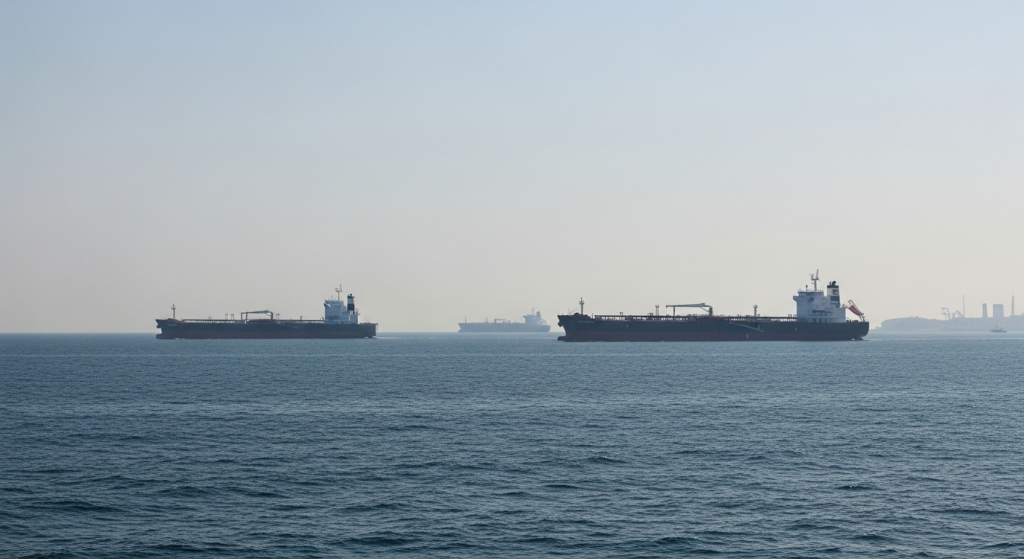
Sources tracking the conflict confirm renewed U.S. actions against Iranian ports, leading to a de facto blockade. This development has directly contributed to a noticeable rise in oil prices, with benchmarks reaching a one-month high. The Strait of Hormuz, a narrow waterway through which a substantial portion of the world’s crude oil passes, is a critical chokepoint for global energy flows. Any disruption or perceived threat to shipping in this region carries immediate and far-reaching economic consequences.
The U.S. reimposition of blockade measures follows a period of heightened tensions and direct confrontations in the strategic waterway. While details regarding specific targeting or casualty figures remain unverified and are outside the scope of this report, the confirmed actions by both the U.S. and Iran have created a palpable sense of risk for commercial shipping. International maritime authorities are closely monitoring the situation, assessing potential impacts on vessel traffic and insurance rates for routes transiting the Persian Gulf and the Strait of Hormuz.
Energy market analysts have linked the recent price surge in oil directly to the escalating conflict. The uncertainty generated by renewed hostilities in such a critical energy-producing and transit region typically leads to price volatility. Traders and investors are factoring in the increased risk premium, anticipating potential supply disruptions even if direct impacts on crude production have not yet been fully realized. The situation underscores the delicate balance of geopolitical stability and its direct correlation with global energy security.
The implications for international trade extend beyond oil. Many commercial vessels, including container ships and tankers carrying various goods, rely on the Strait of Hormuz for passage between the Persian Gulf and the wider Indian Ocean. A sustained period of heightened tension or direct conflict could lead to rerouting, increased transit times, and higher shipping costs, potentially affecting supply chains globally.
This escalation in U.S.-Iran hostilities serves as a stark reminder of the interconnectedness of global security and economic stability. The Strait of Hormuz remains a critical nexus, and any instability in the region has the potential to ripple through international markets, affecting everything from energy prices to the cost of consumer goods.
Why it matters in Northville
The geopolitical tensions unfolding in the Strait of Hormuz, while geographically distant, can have tangible effects on the economy of Northville. Fluctuations in global oil prices directly influence gasoline costs at local stations and can impact the operating expenses for businesses, including major employers like Tenneco and Inteva Products, which are integral to the region’s automotive supply chain. Furthermore, increased shipping costs associated with maritime risks can indirectly affect the price of goods available to Northville consumers. The stability of international energy markets is a foundational element of the broader economic environment in which Northville residents and businesses operate, influencing everything from daily commutes to the cost of imported goods.
Section: More Northville MI business news
Northville business profiles
Filed under: Northville MI Business News