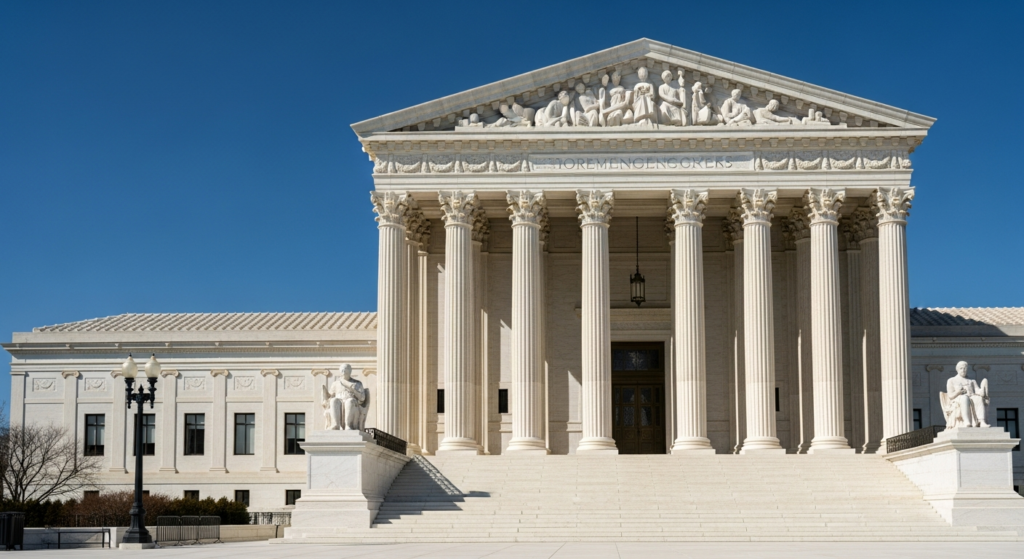
The U.S. Supreme Court is poised to address a series of high-stakes legal battles in its upcoming term, with cases on assault-style rifle restrictions, voter-registration rules, LGBT-related religious-rights questions, and immigration detention procedures prominently featured on its docket. The inclusion of these matters, which touch upon fundamental aspects of constitutional law and federal governance, signals a potentially contentious period for the judiciary.
The court’s agenda reflects ongoing societal debates and legal challenges that have percolated through lower courts. The cases involving gun policy are expected to scrutinize the scope of Second Amendment rights and the extent to which states and federal agencies can regulate firearms, particularly semi-automatic rifles often referred to as assault weapons. These rulings could have far-reaching implications for public safety legislation across the country.
Similarly, the cases concerning voter-registration rules will delve into the intricacies of election administration and access to the ballot box. These disputes often center on the balance between ensuring election security and preventing voter suppression, with potential impacts on how citizens participate in the democratic process.
In the realm of LGBT rights, the court will examine the intersection of religious freedom claims and protections for lesbian, gay, bisexual, and transgender individuals. These cases often involve balancing the rights of individuals and businesses to act according to their religious beliefs against the rights of LGBT individuals to be free from discrimination.
The docket also includes challenges to federal immigration detention policies, which could shape the executive branch’s authority in managing immigration and asylum processes. These cases often involve complex legal interpretations of immigration statutes and constitutional due process protections.
The routing of these cases through political and courts review underscores their significance and the potential for broad legal and societal consequences. The Supreme Court’s decisions in these matters will likely set important legal precedents for years to come, influencing policy and individual rights across the nation.
While the specific outcomes remain uncertain, the selection of these cases indicates the court’s engagement with some of the most pressing legal and social issues of the current era. The proceedings are expected to draw considerable public and legal attention as the court navigates these complex and often divisive questions.