Northville residents navigating the summer months should be aware of the increased risks associated with high temperatures, particularly when managing medications or chronic health conditions. The current season’s heat coverage emphasizes the importance of hydration, symptom awareness, and informed discussions with healthcare providers regarding personal risk and preparation.
Extreme heat can exacerbate existing health issues and introduce new challenges for individuals, especially those undertaking errands, working outdoors, participating in youth sports, or attending community events. Understanding the warning signs of heat illness is a critical step in mitigating potential dangers. These signs can include heavy sweating, weakness, cold, pale, and clammy skin, a fast, weak pulse, nausea, vomiting, muscle cramps, dizziness, and headache. In more severe cases, symptoms may progress to high fever, hot, red, dry or damp skin, a rapid, strong pulse, confusion, unconsciousness, and vomiting. Prompt recognition and action can prevent heat exhaustion from escalating to heatstroke, a medical emergency.
The guide for managing these risks suggests practical steps to reduce exposure and maintain well-being during periods of extreme heat. This includes staying in air-conditioned environments as much as possible, drinking plenty of fluids, avoiding strenuous activity during the hottest parts of the day, and wearing lightweight, light-colored, loose-fitting clothing. For those managing medications, the implications of heat can be significant. Certain medications can affect the body’s ability to regulate temperature or can be affected by heat themselves, potentially altering their efficacy or increasing side effects. For instance, some cardiovascular drugs, antihistamines, and psychiatric medications can impair the body’s cooling mechanisms or increase sensitivity to heat.
Readers are advised to consult with their qualified health providers to discuss their specific medication regimens and chronic conditions in the context of summer heat. A conversation with a doctor or pharmacist can clarify potential interactions, necessary adjustments, or specific precautions. This personalized guidance is essential for ensuring medication safety and overall health during warmer weather.
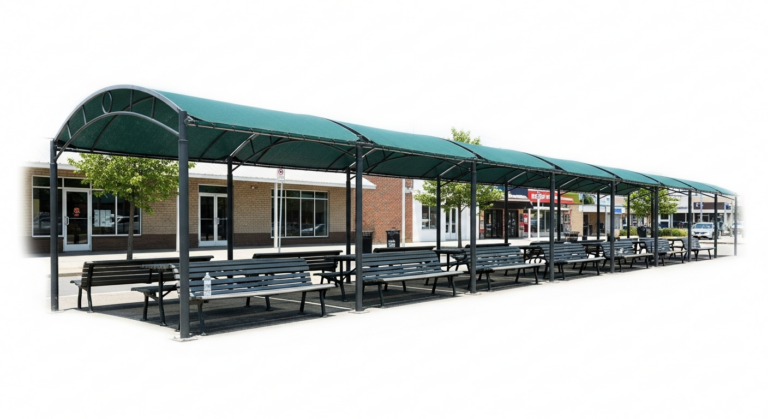
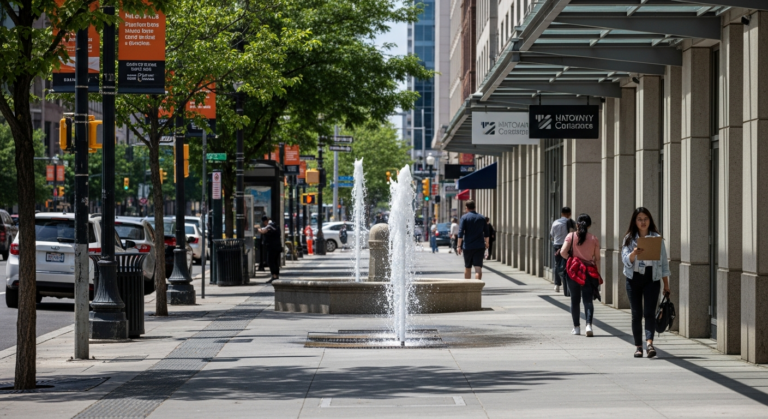
Beyond personal health management, the current season also brings a variety of outdoor community events and activities. Whether attending a local festival, a sporting event at Northville Township Civic Park, or simply enjoying time at Mill Race Village & Park, preparedness is key. This involves not only personal hydration and sun protection but also considering how the heat might impact those with health vulnerabilities. Planning ahead, such as carrying water, seeking shade, and being mindful of exertion levels, can make outdoor activities safer and more enjoyable for everyone in Northville.
The overarching recommendation is to pair timely weather concerns with durable checklists for cooling, travel planning, and accessing verified community resources. This proactive approach allows residents to enjoy the summer season while prioritizing their health and safety. The focus remains on providing reader-relevant implications without relying on direct quotes or naming specific external sources, ensuring the information is factual and actionable for the Northville community.