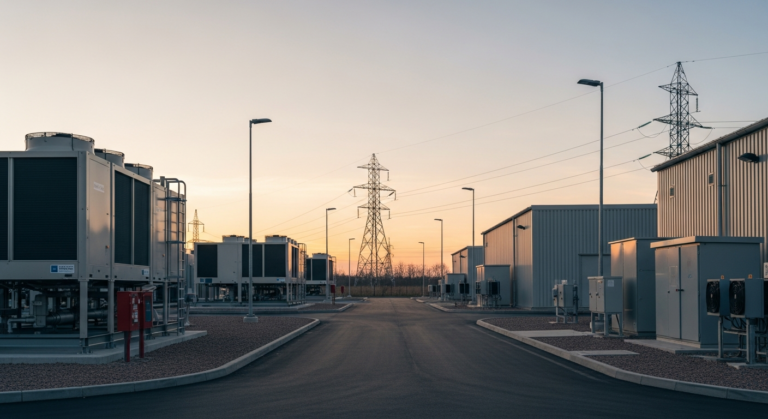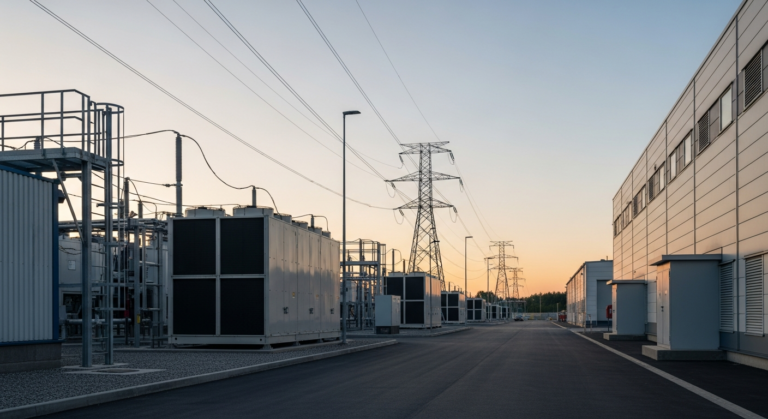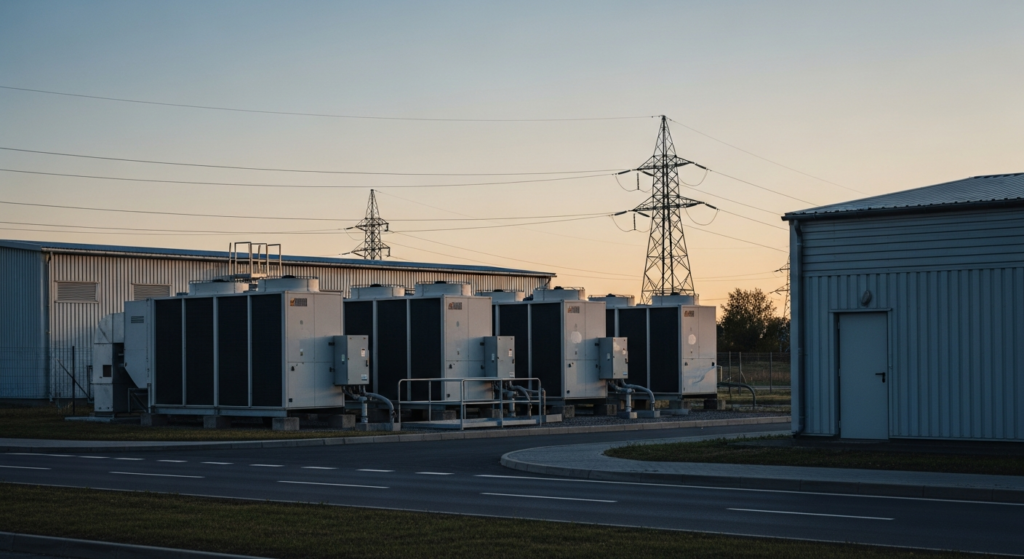
The rapid expansion of artificial intelligence capabilities is placing unprecedented demands on energy infrastructure, shifting the primary business focus from semiconductor manufacturing to securing adequate power and hardware capacity. This pivot is driven by the substantial electricity requirements of AI data centers, which are becoming the critical bottleneck in the deployment of advanced AI technologies.
Industry observers note that the current landscape of technology and business coverage continues to center on the infrastructure required for AI. This includes the expansion of data-center capacity, the sustained demand for specialized hardware, and the complex energy planning necessary to support these facilities. The implications are significant for businesses operating within or adjacent to the technology sector, as the availability and cost of power are now paramount considerations.
AI data centers, with their continuous and intensive energy consumption, are increasingly seen as a threat to grid reliability. Power companies and utility providers are facing pressure to upgrade infrastructure and plan for future demand, a process that involves substantial capital investment and long-term strategic foresight. The scale of these energy needs necessitates a re-evaluation of existing power generation and distribution capabilities.
This focus on power and hardware capacity is a direct consequence of the exponential growth in AI applications. As more complex AI models are developed and deployed, the computational power required escalates, directly correlating with energy consumption. Consequently, the availability of electricity is becoming a more significant constraint than the supply of microprocessors, which had previously dominated discussions.
Businesses are now compelled to allocate capital and resources toward securing reliable and sufficient power sources. This involves exploring various energy solutions, including renewable energy partnerships, on-site power generation, and long-term contracts with utility providers. The strategic importance of energy planning cannot be overstated, as it directly impacts the operational viability and scalability of AI-driven enterprises.
The implications extend to hardware procurement as well. While chip manufacturing remains a foundational element, the ability to power and cool the vast server farms required for AI processing is now a more immediate concern. This has led to increased demand for power-efficient hardware and advanced cooling systems, further complicating the supply chain and capital allocation strategies for technology companies.
The shift in focus underscores a maturing phase in the AI industry, where the foundational elements of computing are being overshadowed by the logistical and infrastructural challenges of widespread deployment. The sustained attention on power and hardware capacity reflects a business environment grappling with the tangible realities of supporting a technology that promises transformative capabilities but demands significant physical resources.
Why it matters in Northville
The escalating demand for AI infrastructure and its associated power requirements could have tangible effects on the Northville region. As data centers and technology-intensive businesses expand, they place increased strain on local utility grids. This necessitates proactive planning by power providers, potentially impacting energy costs and availability for all consumers in Northville and surrounding communities. Furthermore, the need for specialized hardware and data-center facilities could spur new development or attract related businesses, influencing local zoning regulations and economic development strategies. Companies like Tenneco and Inteva Products, major employers in Northville Township, may find their energy strategies and operational costs influenced by broader trends in AI infrastructure demands. The long-term reliability of power is a critical factor for any business, and the current AI boom highlights the interconnectedness of technological advancement and essential utility services.