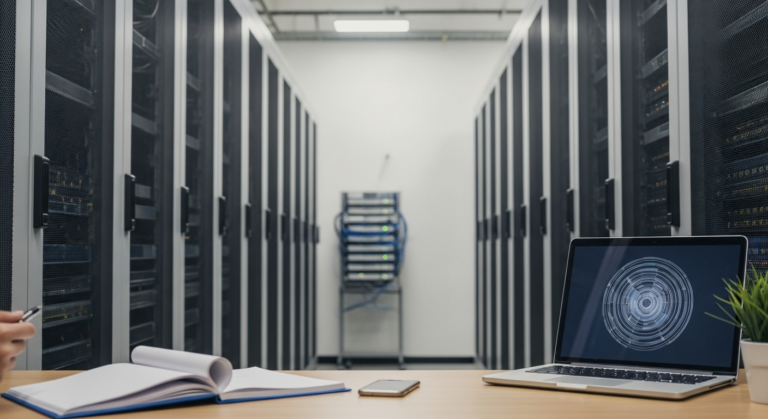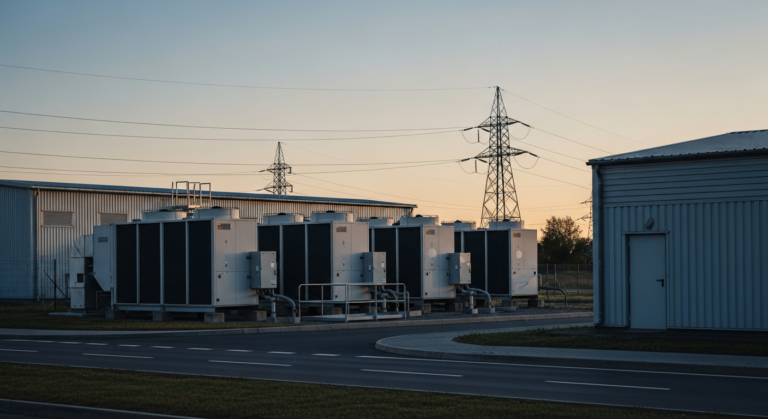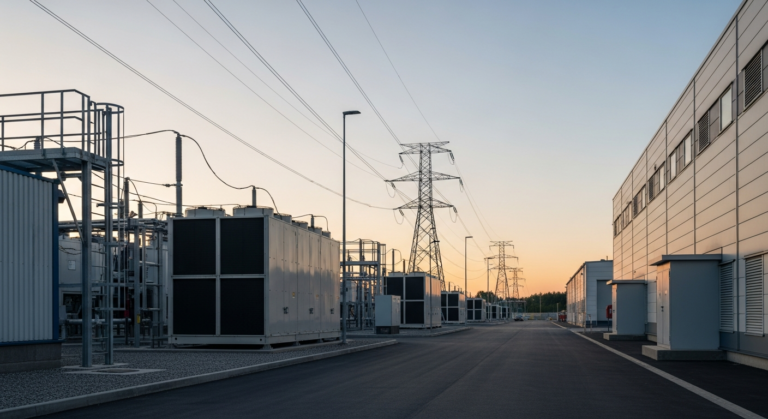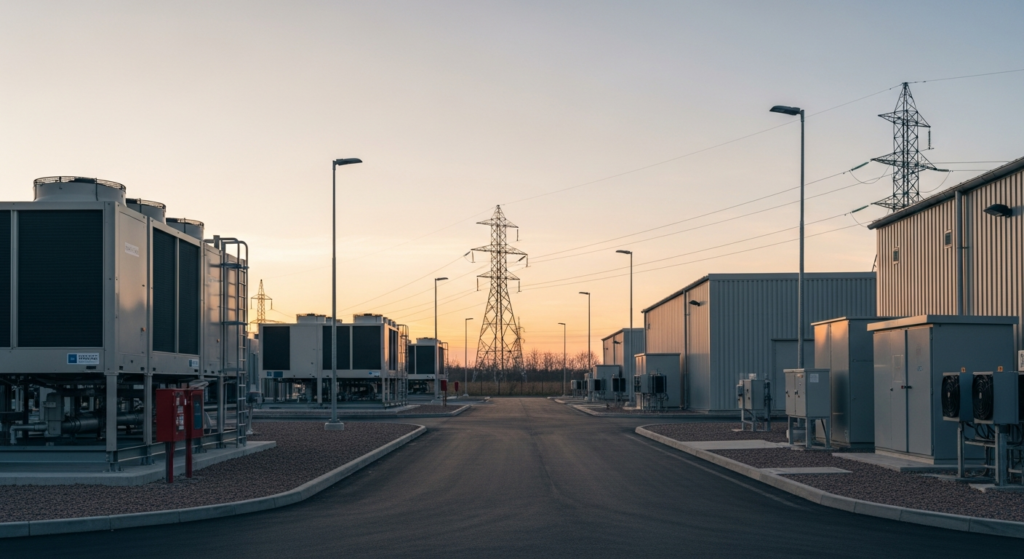
The current business and technology landscape is increasingly defined by the substantial infrastructure requirements of artificial intelligence. While the production of advanced semiconductors has garnered significant attention, the ongoing news cycle highlights a crucial shift: the primary bottleneck for AI expansion is now power and the physical capacity of data centers, rather than the availability of processing chips.
This evolving focus underscores the immense energy demands of AI operations. Large-scale AI models require vast amounts of computational power, which in turn translates to significant electricity consumption. Data centers, the physical hubs for this processing, are becoming massive energy consumers, prompting a closer examination of their impact on existing power grids. Utility companies and energy planners are now central to discussions about AI infrastructure, as the capacity to supply reliable and sufficient power becomes a critical determinant of AI deployment.
The demand for specialized hardware within these data centers is also intensifying. Beyond the central processing units (CPUs) and graphics processing units (GPUs) that perform the AI calculations, there is a growing need for robust networking equipment, high-capacity storage solutions, and sophisticated cooling systems. These components are essential for the efficient and continuous operation of AI workloads, which often involve processing enormous datasets and running complex algorithms.
Capital allocation within the technology sector is reflecting this shift. Investments are increasingly directed towards building out the physical infrastructure necessary to support AI, including the construction of new data centers, upgrades to power distribution networks, and the development of more energy-efficient hardware. This strategic reallocation of resources signals a maturation of the AI market, moving beyond the initial excitement around algorithms and models to address the fundamental engineering and logistical challenges of scaling AI applications.
The implications of this infrastructure-centric approach are far-reaching. For businesses looking to leverage AI, understanding these constraints is paramount. The availability of power and adequate data center facilities can influence where and how AI initiatives can be implemented. Furthermore, the strain on energy resources raises questions about sustainability and the long-term environmental impact of widespread AI adoption.
As AI technology continues its rapid advancement, the focus on its foundational infrastructure—power and hardware capacity—is set to remain a dominant theme in business and technology coverage. The ability of power companies and hardware manufacturers to meet these escalating demands will be a key factor in determining the pace and scale of future AI development and deployment.
Why it matters in Northville
The burgeoning demand for AI infrastructure, particularly concerning power and data center capacity, has direct implications for Northville and its surrounding region. As major technology companies and data center operators seek locations with robust energy supplies and suitable land for expansion, Northville’s proximity to established power grids and its position within the broader Detroit metropolitan area’s industrial and technological ecosystem become relevant. Local entities such as Northville Public Schools, which operates significant facilities, and major employers like Tenneco and Inteva Products, which rely on stable utilities for their operations, are indirectly affected by the broader trends in energy demand. Furthermore, the expansion of data centers, a potential consequence of these national trends, could necessitate local zoning considerations and impact the regional power infrastructure managed by entities like DTE Energy, influencing future development and utility planning within Northville Township and the broader Western Wayne region.
Section: More Northville MI business news