


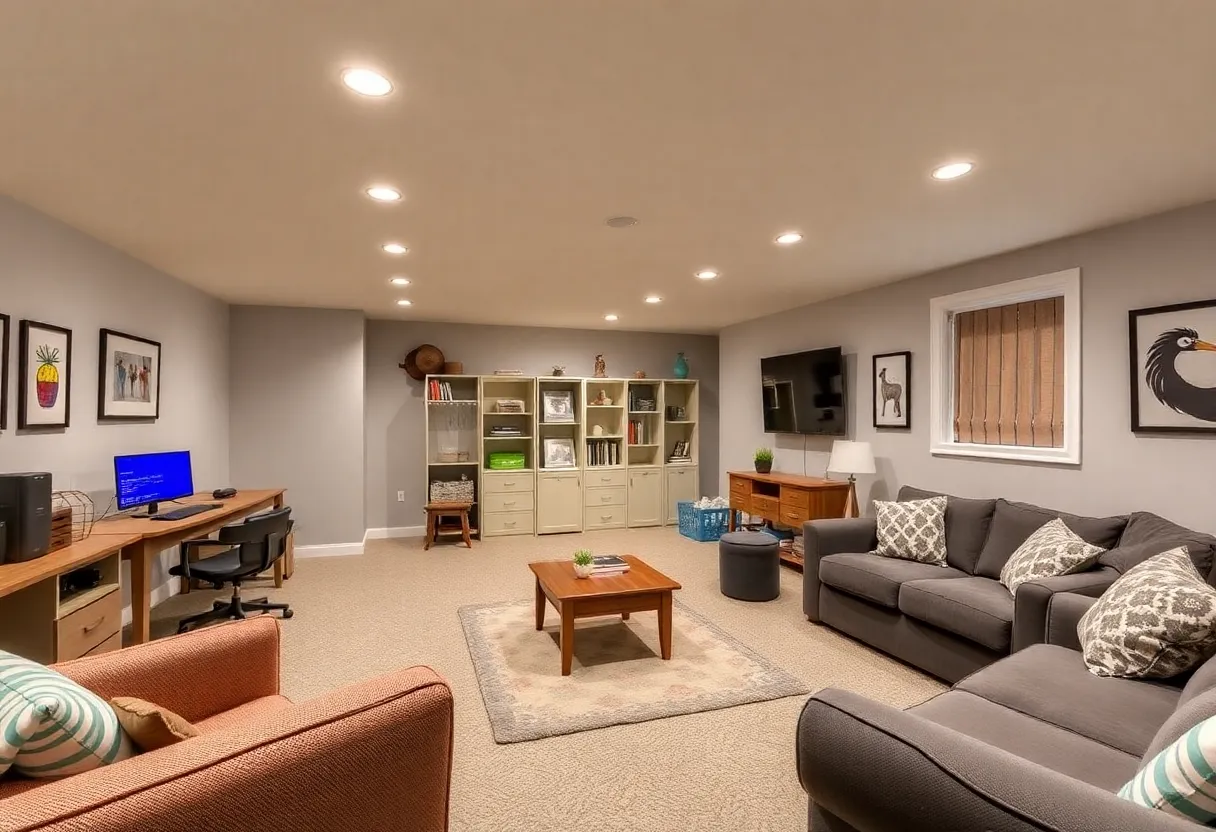
How to Remodel a Basement: Step-by-Step Guide to Transforming Your Space
Remodeling a basement can substantially enhance your home’s usable space and add considerable value to your property. Whether you aim to create a cozy family den, a home office, or an additional bedroom, a well-planned basement remodel can provide significant benefits. In this article, we will outline the steps involved in how to remodel a basement effectively.
Step 1: Define Your Purpose
The first step in the remodeling process is to define the purpose of your basement. Consider how you intend to use the space. Popular options include:
- A guest room
- A home theater
- A playroom for children
- An office or workspace
- A gym or fitness area
Defining your objective will guide your design decisions and influence how the space is organized.
Step 2: Establish a Budget
A clear budget is crucial for any remodeling project. Begin by estimating the costs associated with:
- Materials (flooring, paint, drywall, etc.)
- Labor (if hiring contractors)
- Permits and inspections
- Furnishings and décor
Make sure to allocate a contingency fund—approximately 10-20% of your total budget—for unexpected expenses. This foresight will help you manage costs effectively throughout the remodeling process.
Step 3: Consult Local Building Codes and Regulations
Before you start your remodeling project, it’s essential to familiarize yourself with local building codes. These regulations ensure safety and compliance, particularly when it comes to:
- Electrical work
- Plumbing
- Fire safety (like egress windows and smoke detectors)
Consult your local building department to obtain any necessary permits and approvals for your planned modifications.
Step 4: Plan Your Layout
Creating an effective layout is critical. Consider the flow of the space, accessibility, and lighting. Use the following tips to plan:
- Measure the basement dimensions accurately.
- Sketch out different layout options for your intended purpose.
- Consider the location of windows, doors, and existing utilities.
In particular, think about where lighting fixtures will be placed and how furniture will be arranged.
Step 5: Address Moisture Issues
Basements are notorious for being prone to moisture. It’s imperative to address any water problems before starting the renovation. Steps to mitigate moisture include:
- Inspecting and repairing any leaks in walls or floors.
- Installing dehumidifiers or sump pumps, if necessary.
- Applying waterproofing paint or sealant to walls.
- Improving drainage around the foundation outside.
Taking these precautions will help maintain a safe and dry environment in your new basement.
Step 6: Electrical and Plumbing Work
If your remodeling plan includes adding electrical outlets or plumbing (such as a bathroom), it’s advisable to hire professional contractors with experience. These tasks can be complex and must adhere to safety codes. Important considerations include:
- Choosing the right electrical fixtures and outlets.
- Planning plumbing runs for bathroom installations or laundry.
Be sure to have all electrical and plumbing work inspected by local authorities to ensure compliance with regulations.
Step 7: Framing and Insulation
Once the utility work is done, it’s time to frame the walls and install insulation. This step will create a comfortable and energy-efficient space. Steps include:
- Framing the perimeter and any interior walls that will be added.
- Installing insulation between the studs to help regulate temperature.
Insulation not only contributes to thermal comfort but also aids in sound dampening.
Step 8: Drywall Installation
With the framing and insulation in place, the next step is to install drywall. This involves:
- Hanging sheets of drywall on the framed walls.
- Sealing joints and applying tape.
- Applying primer and paint for a finished look.
Choose a paint color that complements the overall theme of your home, keeping in mind the type of lighting in the basement.
Step 9: Flooring Considerations
Choosing the right flooring material is vital for a basement remodel. Options include:
- Carpeting for comfort
- Vinyl or laminate for durability
- Tile for moisture resistance
Ensure that the flooring material is suitable for a basement environment, specifically resistant to humidity and water damage.
Step 10: Final Touches and Furnishing
Now that the structural work is complete, you can focus on interior design and furnishing. This includes:
- Choosing furniture that fits your planned purpose (sofas for a family room, desks for an office).
- Installing shelving or cabinets for storage.
- Add decorative elements like artwork, rugs, and lighting fixtures.
Consider using soft furnishings that bring warmth and comfort to the space.
Step 11: Inspection and Finalize
Before officially turning your basement into a functional space, have all work inspected by local authorities. Ensure that:
- Electrical work meets code requirements.
- Plumbing installations are secure.
- Safety requirements are satisfied (such as egress windows).
Once everything is approved, you can enjoy your new space.
Conclusion
In conclusion, understanding how to remodel a basement involves careful planning, adherence to safety codes, and effective execution. By following these step-by-step guidelines, you can transform your basement into a functional and aesthetically pleasing environment suitable for your needs. This investment not only enhances your quality of life but also increases the overall value of your home.

Author: STAFF HERE NORTHVILLE WRITER
The NORTHVILLE STAFF WRITER represents the experienced team at HERENorthville.com, your go-to source for actionable local news and information in Northville, Wayne County, and beyond. Specializing in "news you can use," we cover essential topics like product reviews for personal and business needs, local business directories, politics, real estate trends, neighborhood insights, and state news affecting the area—with deep expertise drawn from years of dedicated reporting and strong community input, including local press releases and business updates. We deliver top reporting on high-value events such as the Summer Concert Series, Tunes on Tuesday, and the Northville Farmers Market. Our coverage extends to key organizations like the Northville Chamber of Commerce and Northville Community Foundation, plus leading businesses in automotive, software, and retail that power the local economy such as Gentherm, Reliable Software, and Attendance on Demand. As part of the broader HERE network, including HEREDetroitMI.com, HEREGrandRapids.com, HERENovi.com, and HEREPlymouth.com, we provide comprehensive, credible insights into Michigan's dynamic landscape.