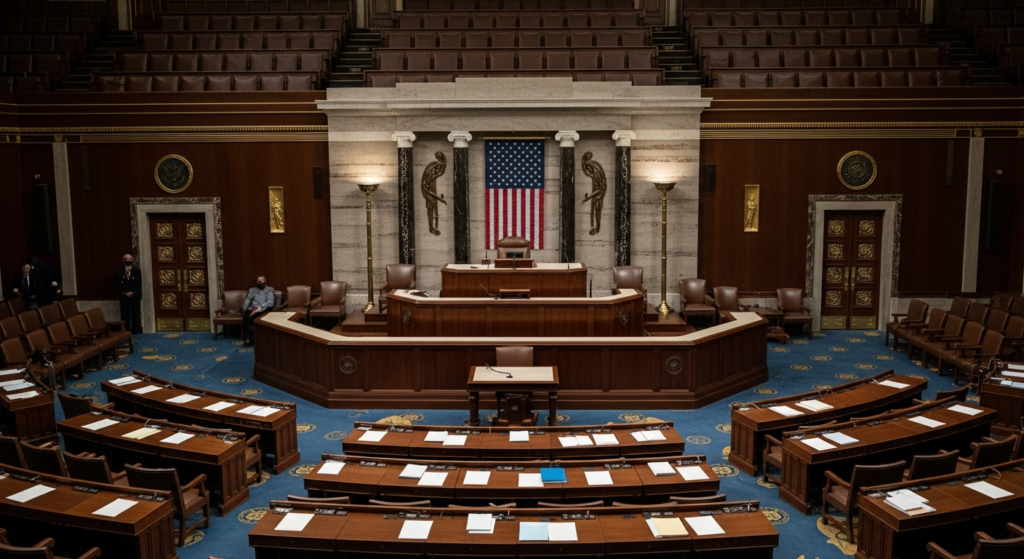
The U.S. House of Representatives has passed a bill aimed at enhancing online safety for minors, a move that is expected to lead to further negotiations in the Senate. The legislation mandates that online platforms provide specific safeguards designed to protect children.
The bill’s passage in the House marks a significant step in the ongoing debate surrounding the digital environment and its impact on young people. Proponents argue that the measure is crucial for creating a safer online space for children, who are increasingly exposed to a wide range of digital content and interactions. The proposed safeguards are intended to address concerns about issues such as cyberbullying, exposure to inappropriate content, and data privacy.
While the House has advanced the legislation, the Senate is anticipated to engage in discussions that could lead to modifications or the introduction of even more stringent requirements. Lawmakers in the upper chamber have expressed support for robust standards that could potentially go beyond what the House has approved. This divergence in approach suggests that the final form of the legislation may be the subject of considerable debate and compromise.
The specifics of the safeguards required from online platforms are expected to be a key point of discussion. These could include age verification measures, default privacy settings for minors, and clearer reporting mechanisms for harmful content. The legislation also aims to increase transparency regarding how platforms collect and use data from younger users.
Tech industry representatives have previously voiced concerns about the potential impact of such legislation on innovation and the operational feasibility of implementing new safety measures. However, the growing public and political pressure to address online harms for children appears to be a driving force behind the current legislative push.
This development comes as parents and educators continue to grapple with the challenges of navigating the digital world alongside children. Discussions around digital literacy and responsible online behavior are ongoing, with many seeking clearer guidelines and more effective tools to ensure a secure online experience for youth.
The bill’s journey through Congress highlights the complex interplay between technological advancement, public policy, and the protection of vulnerable populations. The outcome of the Senate negotiations will be closely watched by stakeholders across the tech industry, child advocacy groups, and the general public.
Why it matters in Northville
The passage of this youth online safety bill by the U.S. House of Representatives has potential implications for families and educational institutions in Northville. As online platforms are required to implement new safeguards for children, local school districts like Northville Public Schools may see changes in how students access and interact with digital resources. Parents in Northville may also benefit from clearer protections for their children online, potentially reducing exposure to harmful content or privacy risks. The ongoing debate in the Senate could further shape these protections, influencing the digital landscape for young people across the country, including those in the Northville area. The focus on safeguarding minors online reflects a broader societal concern that resonates within communities like Northville, where the well-being of children in an increasingly digital world is a priority.