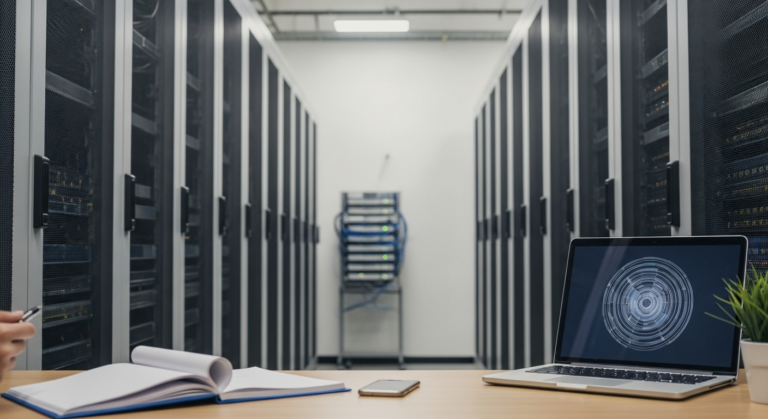
The burgeoning demand for artificial intelligence infrastructure is creating a significant strain on global memory and storage supply chains, according to recent technology and business reporting. This intensified need for specialized components, particularly high-bandwidth memory (HBM) and advanced solid-state drives (SSDs), is a direct consequence of the rapid expansion of AI data centers and the computational power required for training and deploying AI models.
Industry analysts and technology publications have highlighted a direct link between this surge in AI-driven demand and a tightening of component availability. The specialized nature of the memory required for AI processing means that production lines are being reoriented, potentially diverting resources and capacity away from components used in more conventional consumer electronics. This shift can lead to reduced output or slower production of memory chips and storage devices destined for personal computers, smartphones, and gaming consoles.
The consequence for consumers, as described in various technology and business outlets, could be an increase in the prices of these devices. When the supply of essential components like RAM and storage shrinks relative to demand, manufacturers often face higher procurement costs. These increased costs are frequently passed on to the end consumer in the form of higher retail prices. This dynamic is particularly relevant for high-performance computing devices and next-generation gaming consoles, which rely on substantial amounts of fast memory to operate effectively.
While the primary pressure is on the global supply chain, the effects can be felt by consumers across various markets. The intricate nature of electronics manufacturing means that shortages or price increases for key components in one sector can cascade through the entire industry. This situation underscores the interconnectedness of the technology ecosystem, where advancements in one area, such as AI, can have tangible impacts on the accessibility and affordability of everyday consumer technology.
This trend is not unique to any single region but represents a global market dynamic. The production of these advanced memory and storage solutions is concentrated among a few key manufacturers, making the supply chain particularly sensitive to shifts in demand. As AI continues its rapid development and integration into various applications, the pressure on these foundational components is expected to persist, influencing pricing and availability for a wide range of electronic goods.
For consumers in Northville and beyond, this means that upcoming purchases of new computers, gaming consoles, or even high-end smartphones might come with a higher price tag than anticipated. The demand for AI processing power, while driving innovation, is simultaneously creating a more challenging market for the components that power the devices many people use daily. The industry is monitoring these developments closely, with manufacturers and suppliers working to balance the competing demands of the rapidly expanding AI sector and the established consumer electronics market. The long-term impact on pricing will depend on production capacity expansion, technological advancements in memory efficiency, and the sustained growth trajectory of AI adoption worldwide.